


With Andy Burnham now Prime Minister, the latest UK Next Prime Minister odds focus on who could eventually succeed him in Downing Street.

UK Next Prime Minister Odds: Who Will Succeed Andy Burnham?
- Latest UK Next Prime Minister odds
- Kemi Badenoch and Nigel Farage lead the market
- Could Rupert Lowe disrupt Reform’s path to Downing Street?

TOBY SHEPHEARD/Pool via REUTERS
The race to succeed Burnham is open, with Kemi Badenoch and Nigel Farage leading the latest betting...
The best political betting sites are updating their markets as party leadership ambitions, election prospects and public support develop. The UK next Prime Minister odds currently feature candidates from the Conservatives, Reform UK and Labour.
So who has the clearest route to becoming the next Prime Minister, and which contenders are attracting attention at longer prices?
Next UK Prime Minister Odds Favourites
Here’s how the latest Next UK Prime Minister odds market currently looks:
| Next Prime Minister | Odds | Decimal odds | Implied probability |
|---|---|---|---|
| Kemi Badenoch | 10/3 | 4.33 | 23.1% |
| Nigel Farage | 9/2 | 5.50 | 18.2% |
| Richard Tice | 20/1 | 21.00 | 4.8% |
| Alistair Carns | 20/1 | 21.00 | 4.8% |
| Zia Yusuf | 20/1 | 21.00 | 4.8% |
| Ed Miliband | 20/1 | 21.00 | 4.8% |
| Angela Rayner | 20/1 | 21.00 | 4.8% |
| Robert Jenrick | 20/1 | 21.00 | 4.8% |
| Shabana Mahmood | 20/1 | 21.00 | 4.8% |
| Rupert Lowe | 20/1 | 21.00 | 4.8% |
| All others | 22/1+ | 23.00+ | 4.3% or less |
Odds provided by the Oddspedia odds comparison tool, accurate as of 23 October 2026.
UK Next Prime Minister Odds Analysis
The UK Next Prime Minister odds now focus on who could succeed Andy Burnham. Below, we assess several leading contenders and the political obstacles between them and Downing Street.
 Kemi Badenoch needs a Conservative recovery (10/3)
Kemi Badenoch has a direct route to Downing Street as Conservative leader, but it depends on rebuilding the party’s electoral support while keeping her own position secure. At the Conservative conference, she ruled out an electoral pact with Reform UK, setting out a more direct contest for voters on the right.
Her leadership gives her an advantage over candidates who would first need to take control of their party. The Conservatives still need to show they can win back support across enough constituencies to return to government, while Badenoch works to broaden the party’s appeal beyond its existing base.
Recent polling offers some encouragement, with YouGov putting the Conservatives on 23%, narrowly ahead of Reform UK on 22%. Labour still leads on 27%, however, so Badenoch has considerable ground to make up.
 Nigel Farage must turn support into seats (9/2)
Thomas Krych/ZUMA Press
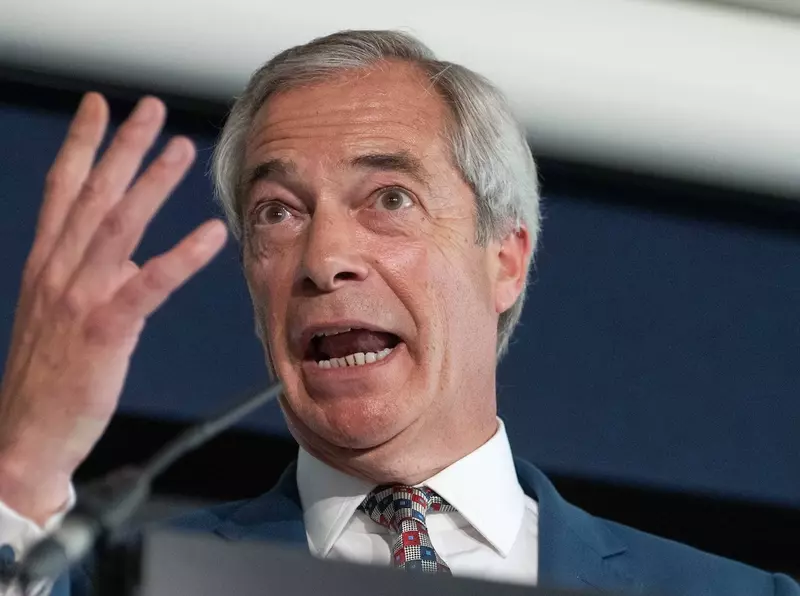
Nigel Farage’s national profile and leadership of Reform UK make him an obvious challenger. His central task is converting support into parliamentary seats, with the geographical spread of Reform’s vote mattering as much as its overall popularity.
Reform has also faced scrutiny over its finances, including a parliamentary standards investigation into whether Farage should have declared a £5 million gift from businessman Christopher Harborne. Farage denies wrongdoing, but the controversy adds to the challenge of keeping the party united while broadening its appeal.
Shabana Mahmood has a route through Labour (20/1)
Shabana Mahmood’s senior position in Burnham’s government gives her a more direct route to Downing Street than most opposition contenders. Labour’s recent by-election win under Burnham offered the government a boost, but Mahmood’s own prospects would depend on building support within the party if a leadership contest emerged.
She has held several major offices and has developed a reputation as a prominent figure on the more socially conservative side of Labour. A leadership bid would require sufficient backing from MPs and party members, so her Cabinet experience is an advantage rather than a guarantee of succession.
 Robert Jenrick pursues his ambitions through Reform (20/1)
Robert Jenrick’s move from the Conservatives to Reform changed his route to Downing Street. He has since become one of the party’s more prominent figures, but recent remarks about using lethal force against small boats were publicly rejected by Farage, highlighting tensions within Reform.
Jenrick’s ministerial experience and previous Conservative leadership campaign give him a political record to draw on. To become a serious successor, he would need to build greater influence within Reform and persuade colleagues he offers a stronger electoral prospect than other senior figures.
Richard Tice would need to move beyond the supporting role (20/1)
Richard Tice has experience leading Reform and remains its deputy leader, giving him a potential claim if the party eventually looks beyond Farage. His role in building the organisation gives him a different case from candidates whose prospects depend mainly on public recognition.
A successful Reform campaign under Farage would strengthen Farage’s claim to become Prime Minister. Tice’s route would therefore require an opportunity to lead the party, followed by enough electoral or parliamentary support to form a government.
Alistair Carns offers a possible Labour succession route (20/1)
Alistair Carns attracted leadership attention after resigning as a defence minister, but ultimately backed Burnham rather than challenging him. His military background and focus on defence give him a distinct political profile, although translating that into broad support across Labour would be a separate task.
Labour’s recent by-election win under Burnham gave the government a boost, but Carns has not signalled a new leadership challenge. He could reach Downing Street through a change of Labour leader while the party remains in government, but would first need to build a much larger base of support.
Could Rupert Lowe disrupt Nigel Farage’s path to Downing Street?
REUTERS/Temilade Adelaja
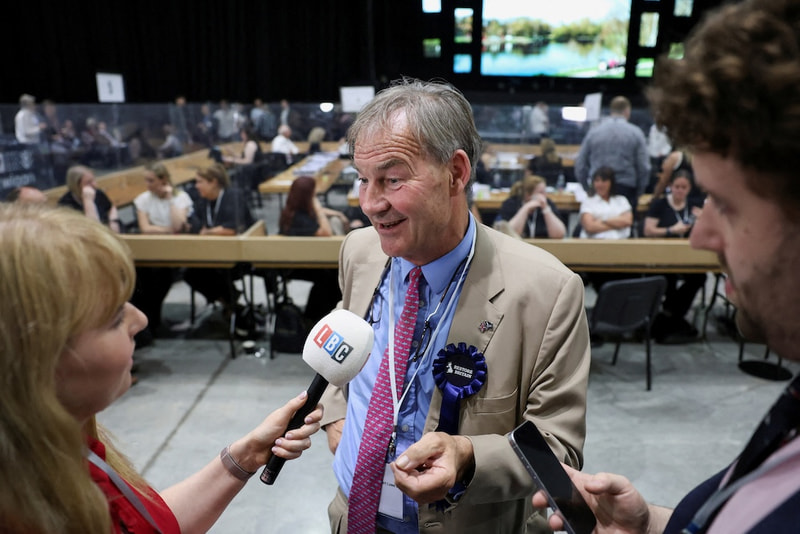
Lowe’s Restore Britain gives voters on the British right another option and could affect Reform’s efforts to win parliamentary seats. His own route to Downing Street remains uncertain.
Lowe needs to turn attention into electoral strength (20/1)
Lowe’s leadership of Restore Britain gives him a platform outside Reform, but building a national party requires candidates, local organisation and sustained electoral support. His public profile alone does not show whether the party can establish those foundations.
Taking votes from Reform could affect the balance in closely fought constituencies, but becoming Prime Minister would require Lowe to build substantial parliamentary support of his own. At 20/1 in the next UK Prime Minister odds, he remains a longshot whose immediate influence may be clearer than his path to Downing Street.
Restore Britain registered 3% in YouGov’s latest voting intention poll, showing some measurable support, although it remains a long way from the established parties.
Live UK Next Prime Minister Odds
Compare UK political betting sites and offers
Next UK Prime Minister odds can vary between bookmakers, particularly for candidates outside the leading favourites. Compare the best betting sites to find the available prices and check how each operator defines and settles the market.
Our best betting offers page covers welcome promotions and bonuses, including free bets. Check whether political markets qualify, alongside any minimum odds and expiry dates, before using an offer on your selection.
 Bet $10 Get $200 in Bonus Bets Win or LoseClaim bonus
Minimum $10 deposit required. Minimum odds -500 or greater. Bonus Bets wager excluded from returns. New customers only. T&CS, time limits and exclusions apply. Bets restrictions and T&C's apply. GAMBLING PROBLEM? CALL 1-800-GAMBLER (AZ, CO, IN, KY, LA, MD, NC, NJ, OH, VA) or 1-800-BETS OFF (IA). 21+ only(18+ in KY). Must be present in AZ/CO/IA/IN/KY/LA (select parishes)/NC/NJ/OH/VA.

UK Next Prime Minister Odds FAQs
Who is favourite in the UK Next Prime Minister odds?
Kemi Badenoch leads the latest UK Next Prime Minister market, with Nigel Farage her closest challenger. Shabana Mahmood is among the Labour names listed, alongside senior figures from the Conservatives and Reform UK. These are bookmaker prices rather than predictions of a confirmed succession, and candidates’ positions can change as parties and political circumstances develop over time.
Who could replace Andy Burnham as Prime Minister?
Potential successors include opposition leaders such as Kemi Badenoch and Nigel Farage, along with senior Labour figures such as Shabana Mahmood and Alistair Carns. The next Prime Minister could emerge after a general election or through a change of party leader while Labour remains in government. Each route depends on winning the necessary parliamentary backing and, ultimately, commanding support in the House of Commons.
Why is Kemi Badenoch favourite to become the next UK Prime Minister?
Badenoch’s odds reflect that she already leads the Conservatives and would not need to win a party leadership contest first. Her route to Downing Street depends on rebuilding the party’s support across constituencies and competing with Reform for voters on the right. She has ruled out an electoral pact with Reform, so her prospects hinge on the Conservatives making a convincing case to voters independently.
Could Nigel Farage become the next UK Prime Minister?
Farage could become Prime Minister if Reform wins enough seats at a general election to form a government or lead a governing arrangement. His national profile gives the party visibility, but converting support into constituencies is crucial because overall vote share alone does not determine who enters Downing Street. Internal party disputes and competition for right-leaning voters remain potential obstacles to that route.
How do UK Next Prime Minister betting odds work?
The odds are prices on which candidate will next become Prime Minister under a bookmaker’s stated market rules. They are not direct probabilities, and the implied chance from one price may not match other prices because bookmaker margins affect the market. Settlement can depend on how the market treats acting or interim leaders, so read the operator’s rules before placing a bet.
How often do the UK Next Prime Minister odds change?
Odds can change after leadership announcements, endorsements, opinion polls, elections and major Westminster developments. They may also move when bookmakers adjust prices in response to betting activity, even without a single decisive event. Check the latest market and its settlement rules before betting, because political circumstances and each bookmaker’s terms can change between article updates.

Stuart Brown